
Why Hire a Corporate Event Photographer for Your Annual Meetings?
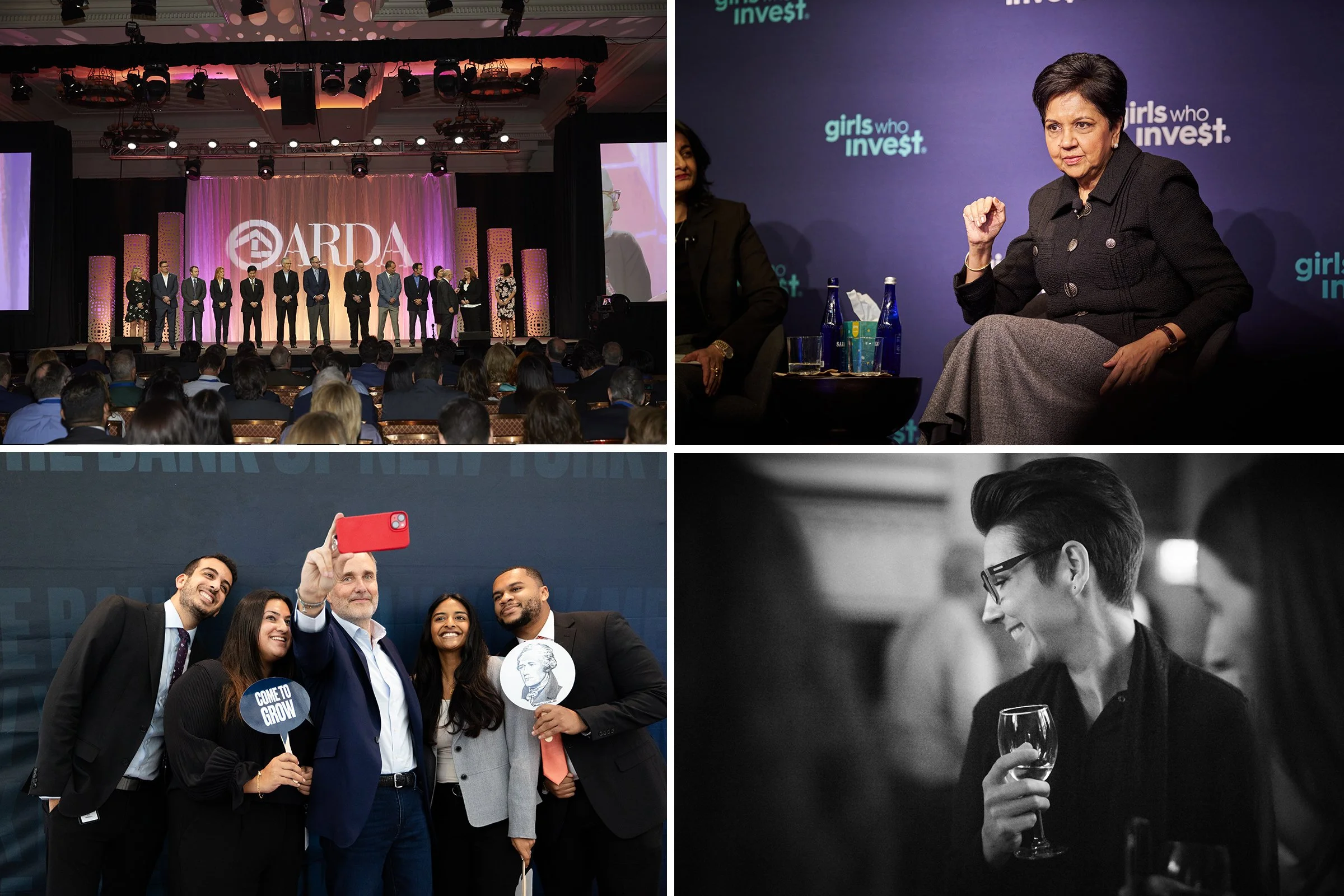
Key Highlights
A corporate event photographer helps you capture important moments at annual general meetings with purpose, not guesswork.
Strong event photography supports corporate events long after the day ends through reports, PR, and social use.
A clear shot list keeps leadership, audience, and branding images from getting missed.
Professional coverage gives you polished visuals for internal teams, investors, and future promotions.
The right photographer knows how to work quietly while still documenting key business moments.
Fast delivery can help your team use images while the meeting is still current.
Corporate Event Photographer for Annual General Meetings and Investor Summits
Annual general meetings are not ordinary business gatherings. They bring together leadership, stakeholders, and decision-makers in one room. Having event photography there to capture this group matters. A skilled corporate event photographer creates useful images for your team, your investors, and your future communications. If you want your annual general meetings to leave a lasting impression, the right photography support can help.
Understanding Corporate Event Photography for AGMs
Corporate event photography for annual general meetings is focused, practical, and tied to the business goals that align with your meeting. Planned well, the images can be used on annual reports, investor updates, internal communications, and press materials.
Your communications team plays a key role in this. This team will provide the professional photographer or event photographer a shot list and agenda, allowing for planned coverage around your schedule, your leadership, and your key messages. That means capturing the room, the speakers, the audience, and the branding in ways that support real use after the meeting ends. The sections below explain what makes AGM coverage different.

What Makes Annual General Meetings Unique Events
Annual general meetings stand apart from many other corporate events because the purpose is broader than simple documentation. These meetings often involve leadership updates, shareholder communication, investor-facing presentations, and formal decision-making. All content that can end up in your image library.
Coverage for the photographer should be on board members, executive speakers, room-wide attendance, audience response, and the important moments tied to the agenda. Wide room frames, podium shots, leadership portraits, and floor questions all help tell the story of the event in a useful way.
Attendees are also important and add context to images. They are there to listen, respond, and participate. Photos should show engagement and authority.
The Role of Professional Photography at Investor Summits
Investor summits need careful visual coverage because the images often support investor relations and corporate communications, sometimes in real time or shortly after the event wraps. When the event is over, your team should have access to event photos for a newsroom update, an investor deck, or leadership recap materials.
A corporate event photographer works to the agenda while taking coverage to another level - working quietly, the photographer anticipates key moments, spontaneous elements, and audience reactions. The shooter should be nimble and ready when an important, off-script moment occurs.
In professional photography, experience matters. An event is a moment in time that cannot be recreated. The right mix of experience and a watchful eye will ensure that thorough coverage happens.
Why Professional Photography Matters for Corporate Events
When you invest in corporate events, Event photography is your record that the time, planning, and budget created something valuable. An experienced professional photographer captures moments your team can actually use instead of a mixed archive of random frames that lack a narrative.
Clean, on-brand images support branding and tell a story. They are useful for internal communications and outside-facing materials. They also help you show attendance, leadership, and audience energy authentically. The next sections break down where that value shows up most clearly.
Enhancing Brand Image and Stakeholder Engagement
First, think about how you want your event to be seen and where you could use event images. Your goal might be to craft your brand image via LinkedIn posts, newsletters, or across company channels. Plan for this so the event photos help your business tell the story of the event, capturing your brand voice and how it manifests among attendees.
Pick a photographer whose style will support and speak to stakeholder engagement. Yes, investors, sponsors, staff, and leadership want to see a meeting that looks well attended and well run. A photographer who can artfully capture the atmosphere of the programs will result in images that capture and keep attention. It will also signal an understanding of quality and professionalism to your clients.
People often judge an event through pictures before they read a word. Experienced, high-production-value professional photography coverage can turn one AGM into social media posts, recap pages, and future promotion that you are proud to share with your clients. Weak, unskilled photos can put a dent in your image - it will not match the experience.
Documenting Key Moments for Future Communications
Some images will be used the day they were taken - broadcast on social media channels or included in a press release. Others become part of your company record. This future record is equally important to plan around at your AGMs, investor summits, and corporate events. The best galleries are built with 2 goals: day-of use and future communications.
Typical coverage includes executive podium frames, wide attendance shots, leadership portraits, branded environment images, and candid audience engagement. Those categories support internal communications, annual reports, press releases, and visual content for your corporate newsroom or investor deck. But every business is different. Look at how you have used images in the past. Take time to analyze what images draw connection on your various channels.
Maybe the goal is for your photographer to focus on speakers, because you have a stellar line-up. But don’t miss the elements that paint a full picture. They should also document signage, room setup, floor questions, networking, and reactions. When your communications team needs material weeks later, those supporting images become just as valuable as the main stage photographs.
Essential Types of Photos Captured at AGMs, Investor Summits and Corporate Events
A strong shot list is the foundation of useful AGM coverage. It keeps your photographer focused on the images your team will need later, from keynote speakers and leadership portraits to candid shots and wide room views. F8 photographers vastly prefer a lengthy shot list to a few notes and a trusting attitude. We love that we are trusted but prefer to walk informed with clear expectations.
This list can include an agenda with designated speakers (John Smith at 9 am on the main stage), details on what events to cover (happy hour on first day), details to capture (sponsor tables and registration desk signage), and descriptions of what kind of photos (CEO talking to new hires). Event photos from AGMs usually mix formal and natural coverage. You may need group photos, audience reactions, sponsor visibility, and quiet networking scenes all in one gallery. The following sections look at the most important image categories to request.
Leadership Portraits and Executive Podium Shots
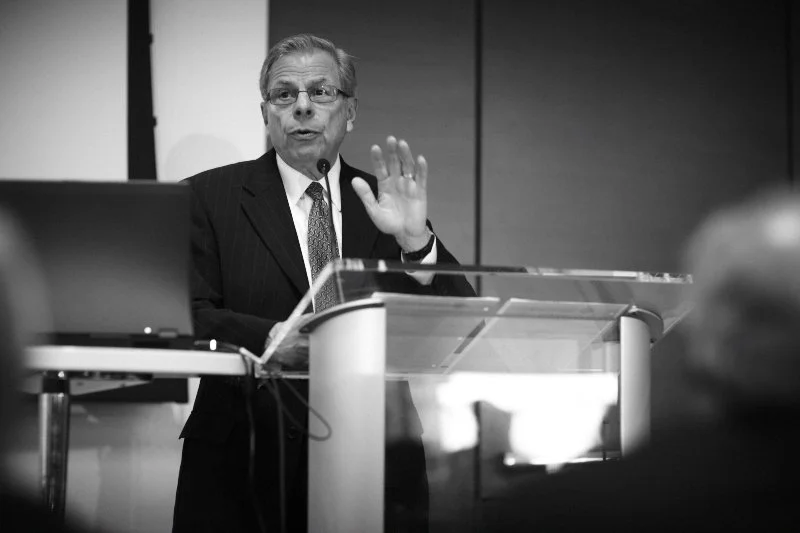
Leadership coverage is one of the most important parts of any AGM. When executives are all in one place, that is a rare opportunity. Strong portraits and group shots can support updates, annual reports, and future brand materials long after the meeting ends. If your photographer has never worked with you, they might not know each of these people. Make a ‘face’ book with photos of execs or assign a point person to point out important people in the room.
For podium images, you want clean, well-timed frames of each executive speaker, including tight shots of the speaker and wider shots that include a screen or signage. These are often the images that appear in investor materials, internal summaries, and newsroom posts.
Key shots usually include leadership portraits, executive podium frames, a leadership group image, and at least one wide room view showing turnout. If your event has a formal stage program, those executive images should be a top priority in the shot list.
Audience Engagement and Networking Scenes
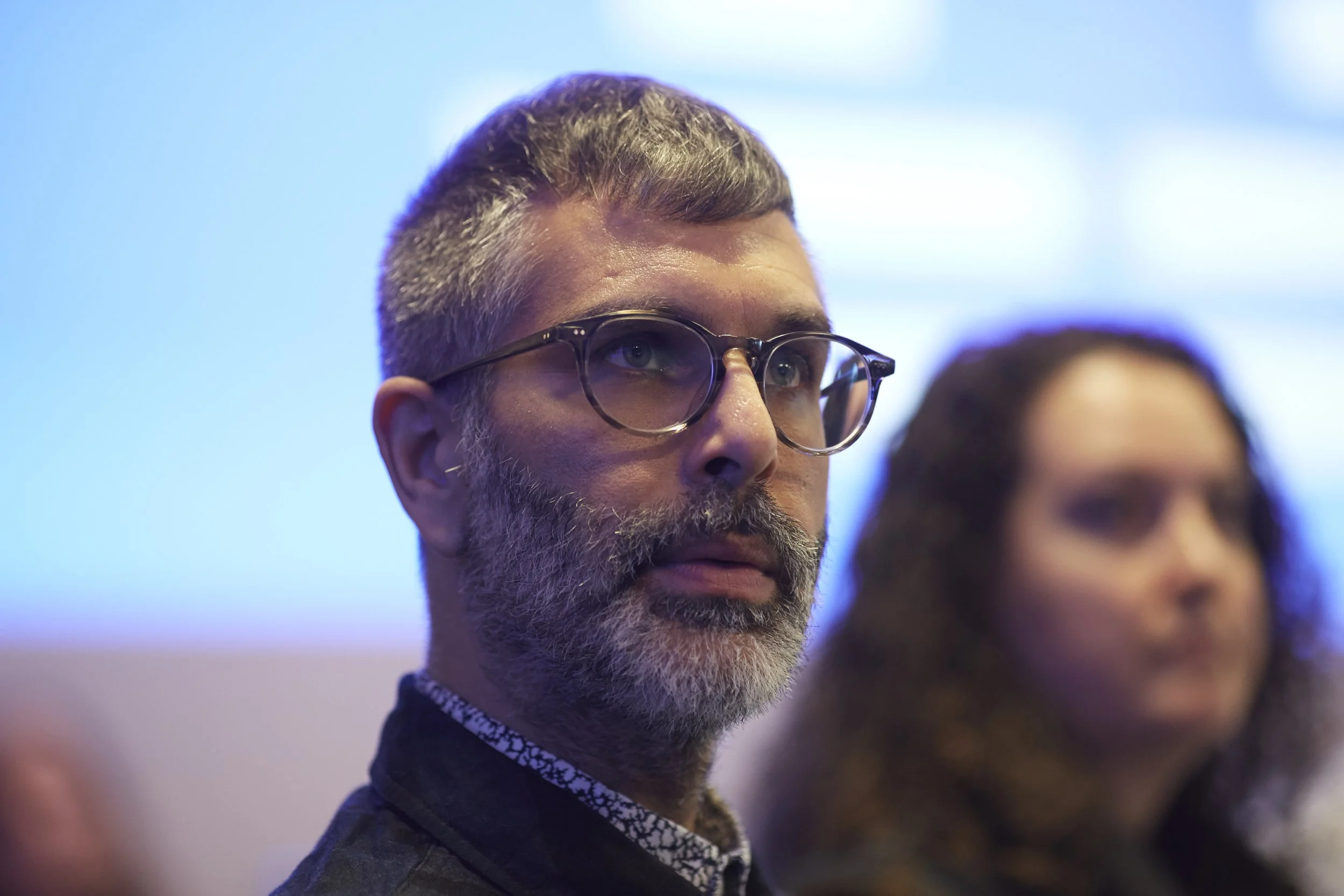
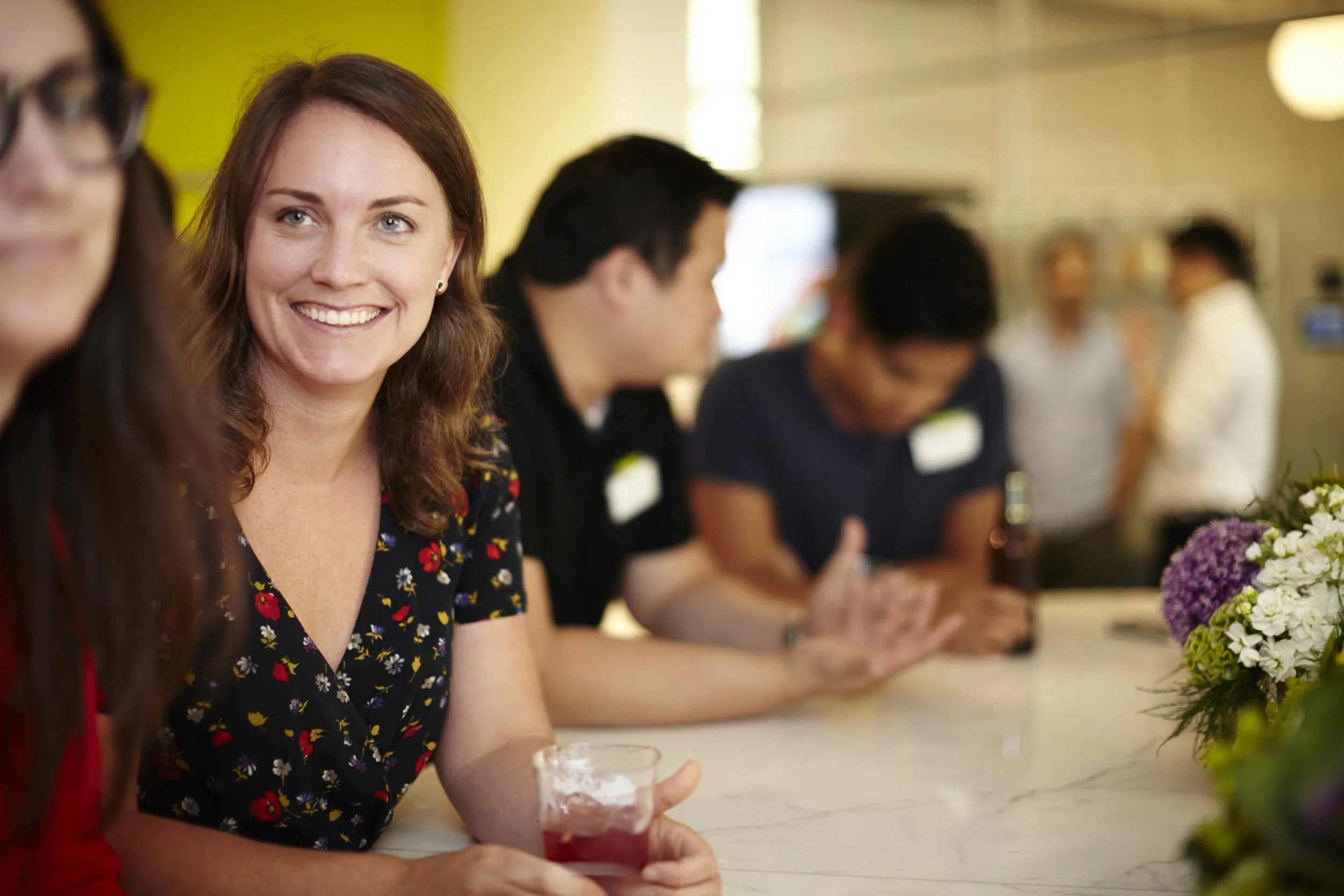
So many annual meeting images happen offstage. Photos of people listening, applauding, asking questions, or taking notes show that the room was active and invested in the program.
Networking scenes add another layer. During breaks or before the session starts, candid photos of event attendees in small groups can show connection and energy. These are especially useful when your team wants to promote next year’s event or show stakeholder participation.
Don’t forget about the details. Showing a registration desk, signage, food, or sponsor tables all add color to the event. It gives a sense of what it felt like to attend. Also, a huge amount of time goes into these details. These photos take you back when planning for next year.
Creative Ideas to Make AGM Photographs Stand Out
AGM images should be more than a record. They should evoke a feeling and artfully represent the atmosphere. Your corporate photographer can create visual content that looks polished and distinctive while still serving business needs. All of these ingredients create a stronger story.
Some of the best creative photos come from thoughtful framing choices, branded environments, and visible sponsor assets. Others come from quiet human moments that show personality.
Utilizing Branded Environments and Sponsor Assets
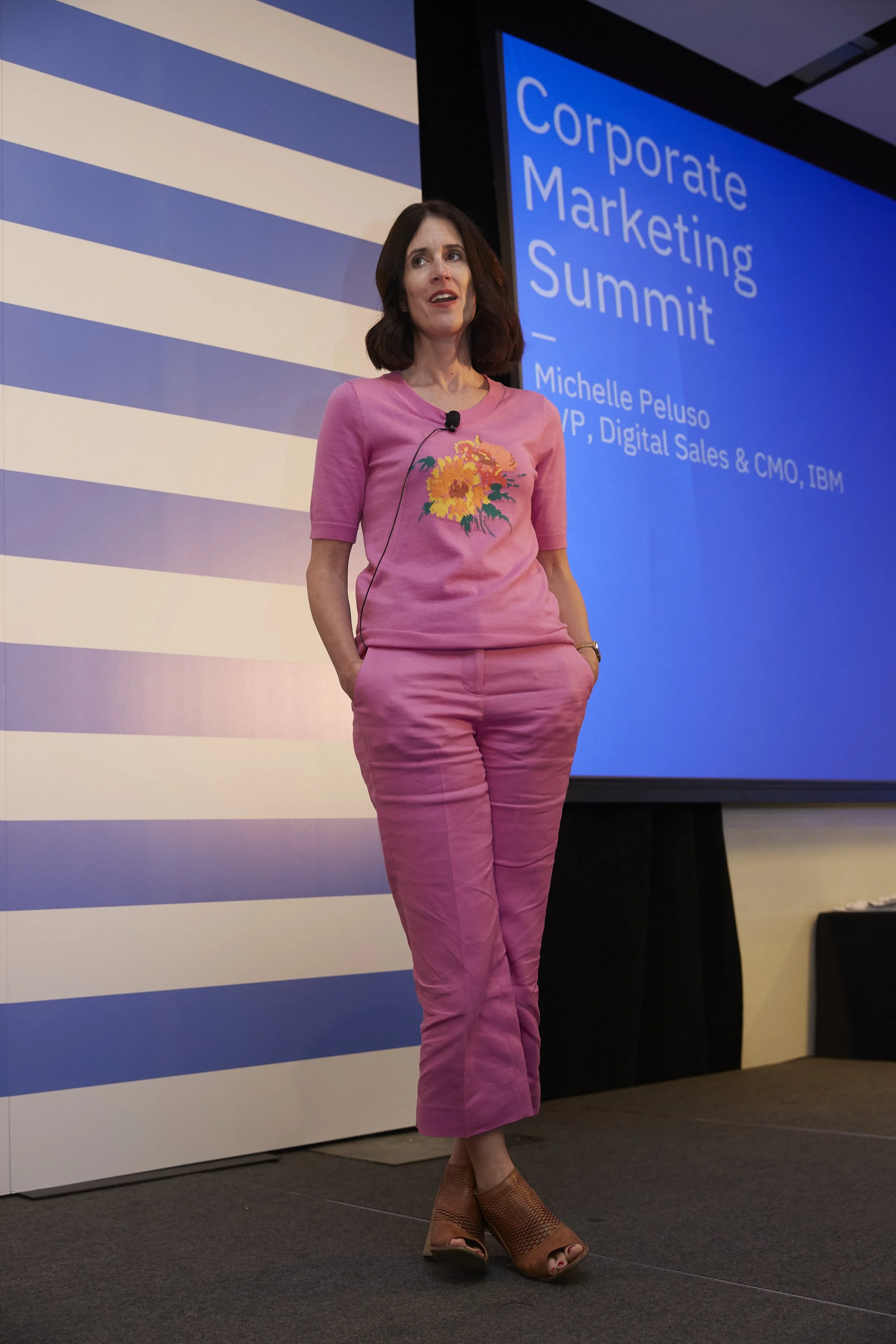
One smart way to make AGM photographs stand out is to use the room itself. Branded environments add context, structure, and a clear sense of place. Signage shouldn’t simply be relegated to the background. In some shots, the photographer can frame it with intention.
That matters for sponsor reporting too. Many corporate clients need visual proof that sponsor assets were displayed well and seen by attendees. Clear images of the space before guests arrive are helpful as a documentary tool. Photos after guests walk in will help brands understand the energy and attention a sponsorship can bring.
Helpful priorities include:
Clean shots of sponsor signage, stage graphics, and registration displays
Wide views showing branding in context with the audience or stage
Detail images of printed programs, badges, gift bags, or welcome areas
These choices help the gallery support marketing, sponsors, and future event promotion.
Capturing Candid Interactions and Memorable Details
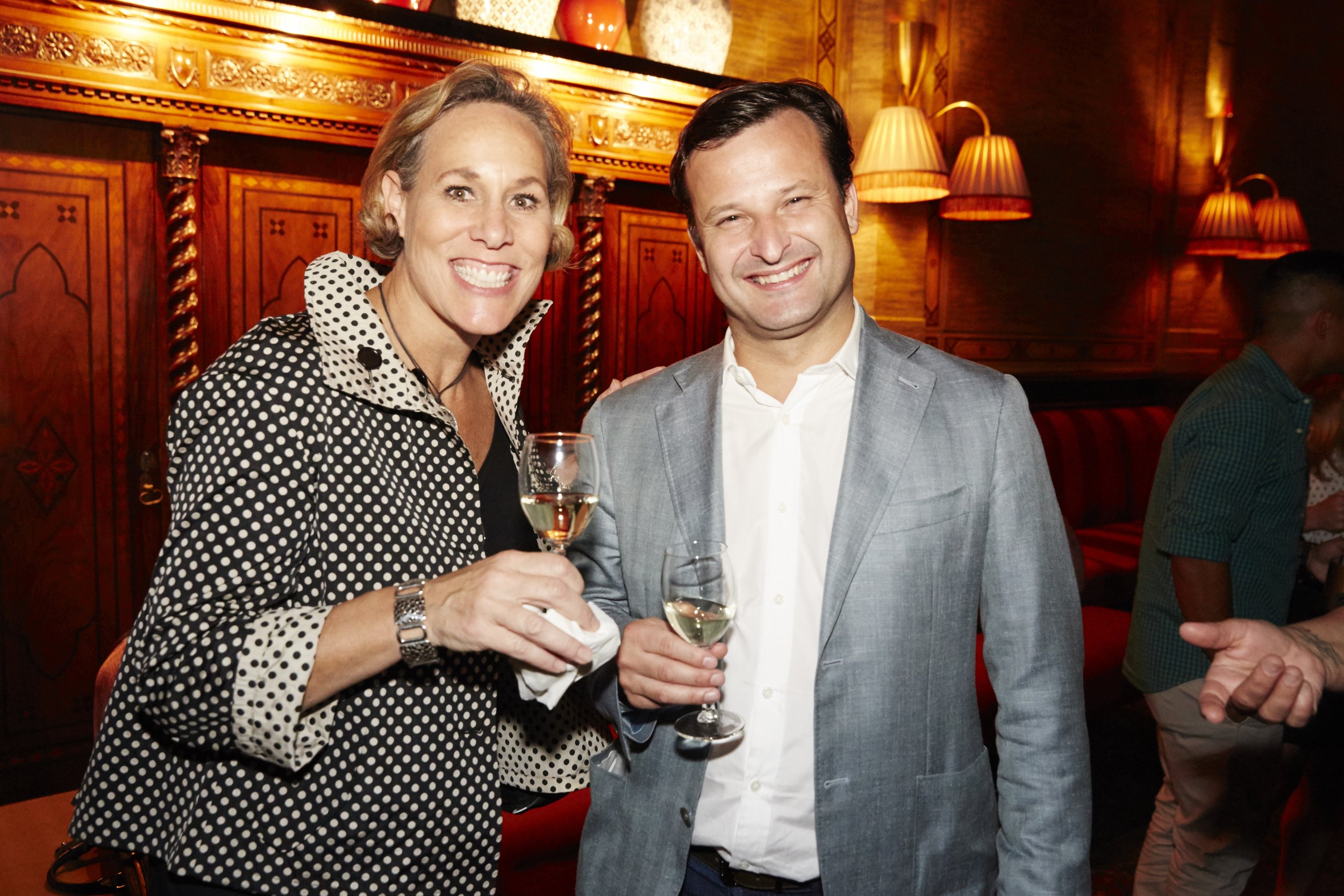
Another way to improve AGM coverage is to look beyond the formal agenda. Candid moments often carry the emotional weight of the day. A handshake, a quick exchange before a panel, or a genuine smile during a break can communicate the warmth and connections that happened during those days.
If your AGM includes award ceremonies, milestone recognition, or leadership greetings, ask for dedicated candid photos around those points. Event attendees respond well to images that feel real, and those natural interactions often become the most shareable images from the day.
Beginner’s Guide: How to Hire the Right Corporate Event Photographer

Hiring a corporate event photographer for an annual meeting or corporate event starts with clarity. You need someone who understands business events, works well with event planners, and can produce a gallery shaped around communication goals. Technical skills + event skills make for a great mix.
Look at the photographer’s portfolio closely. Do you see leadership coverage, room-wide scenes, branding, and audience moments that feel polished and usable? Does the photography style hit the right tone for your brand? The best photographers show consistency, discretion, and an understanding of how companies use images after the event.
They are also comfortable in the space, moving in close to get the right shot without disturbing it. Be cautious about a portfolio that only shows work taken from the back of a room with a zoom lens.
What You’ll Need to Get Started: Goals and Budget
Before you choose an event photographer, get clear on what your AGM actually needs. Think about the goals of the event, who must be photographed, how quickly the images are needed, and where they will be used.
Budget matters too. Pricing can depend on coverage time, delivery needs, and add-ons such as video or instant galleries. Equipment is important, but what matters more is whether the photographer knows how to use it in a live business setting without slowing the event down.
To get started, define:
Your must-have images, based on a shot list
How you want your images to look and whether it matches your brand identity
Your budget range and any rush delivery needs
What the portfolio shows about AGM, leadership, and audience coverage
When these points are clear, choosing the right photographer becomes far less overwhelming.
Step-by-Step Guide to Booking a Corporate Event Photographer
Booking a corporate event photographer should feel structured, not rushed. Whether you hire a studio team or a freelance photographer, the process works best when you move from research to planning in clear steps.
You will want to confirm experience, review service options, and talk with the photographer about high-level details. A phone call is the best way to get a sense of whether this is someone you can trust to do the job and will enjoy collaborating with.
Step 1: Research and Shortlist Professional Photographers
Start with research that is specific to your event type. A professional photographer who covers AGMs, investor sessions, or leadership events is usually a better match than someone who mostly shoots parties or general social events. Corporate photography has different demands.
As you build a shortlist, pay attention to how each photographer presents their work. Are the images organized, consistent, and clearly connected to business use? Do their service options include planning, editing, and delivery timelines that fit your needs?
Focus your shortlist on photographers who show:
Experience with annual meetings, investor presentations, or leadership coverage
Clear corporate photography examples, not mixed personal work
Service options that match your schedule, venue, and output needs
Portfolio images that show a mix of natural light and on-camera flash
Step 2: Evaluate Experience, Portfolio, and Service Options
Once you have a shortlist, compare each event photographer more closely. Experience matters because AGM coverage requires timing, discretion, and the ability to work around a fixed program. Someone used to live business events will usually anticipate moments better.
Next, study the portfolio with your actual needs in mind. Look for leadership portraits, clean stage coverage, audience response, branding, and candid interaction. A good portfolio should show more than one type of frame. It should prove the photographer can build a complete visual story.
Make sure the photographer has the right technical skills. If the portfolio is filled with outdoor images or images taken by a window/using natural light, ask the photographer to share work that required an on-camera flash. Most corporate events are indoors in windowless spaces. Not every photographer can use supplemental (flashes and strobes) lighting well.
Finally, review service options. Ask how they coordinate with event planners, whether same-day highlights are possible, and what the standard turnaround looks like. The strongest choice is usually the photographer whose experience and services match your meeting goals, not just the lowest quote.
Step 3: Discuss Delivery Timelines
Your internal communications team may need highlights in real time, or at least by the next day, while the event is still current. Rush delivery might be key. Know that there might be additional fees to cover an assistant who can do a quick edit and output while the photographer is busy shooting. This is an issue that should be addressed during planning rather than assumed later.
Step 4: Finalize Contracts and Event Logistics
Before hiring a photographer for an investor summit, ask what is included in the contracts and how they handle event logistics. You want clear coverage hours, delivery expectations, usage terms, and any added costs for rush edits, travel, or extra services.
Then confirm the practical details. Share the run-of-show, venue notes, key contacts, and must-have images. A good photographer should be ready to coordinate with event planners, venue teams, and event production staff so the day runs smoothly without constant direction.
This final step is where small issues get prevented. Clarify arrival time, access to the room before guests enter, no-flash needs, and who can approve requests on site. Strong logistics planning allows room for the photographer to work independently and take the best images.
Key Qualities to Look for in an AGM Photographer
The best AGM photographer combines technical control, good judgement, and a quick eye. You need a corporate event photographer who notices small details, works discreetly, and understands which images matter most for your business.
So much of this comes from experience.
Attention to Detail and Responsiveness
Attention to detail is one of the clearest signs of a strong annual meeting photographer. AGMs move quickly, and many important details happen without warning. A skilled event photographer notices speaker transitions, branding placement, audience reactions, and leadership interactions without being told every time.
Flexibility and responsiveness are important. Your communications team may need a specific executive frame, a sponsor image, or a room shot that was not on the agenda. A photographer who can adapt quickly is easier to work with and more useful under pressure.
You should also look for someone who delivers a good edit. Lighting can vary, as can room tones. A good photographer takes time in the editing process to balance light, color, and cropping.
Ability to Capture Both Formal and Candid Moments
An AGM gallery should not be built from only one kind of image. Formal photos give you the expected record: speakers, leadership, group frames, and key presentations. Those images provide structure and visual proof that the event was organized and well attended.
At the same time, candid photos add life. Candid shots of conversations, reactions, greetings, and audience focus show the meeting as people actually experienced it. These moments often feel more persuasive because they look genuine rather than staged.
The key quality to look for is balance. A photographer should know when to create formal coverage and when to step back for a natural scene. Even in limited natural light or a busy ballroom, they should be able to capture both styles without disrupting the flow.
Pricing and Service Options for AGM Photography
Pricing for AGM event photography depends on scope. Coverage length, team size, rush delivery, and add-ons all affect the final quote. For corporate clients, it helps to ask for an hourly or day rate and itemized fees that will be part of the package.
Investor summit coverage may also involve extras such as video, branded instant galleries, or headshot stations. Those can be useful, but only if they match your goals.
Typical Costs for Investor Summit Coverage
Typical costs for an investor summit vary based on coverage duration, team size, and delivery scope.
Service tiers often rise when your event requires broader staffing, multi-location coverage, or add-ons. If you need video production, drone work, instant delivery galleries, or an event headshot station, expect those to be priced separately as expanded service options.
| Service Tier | What It May Include |
|---|---|
| Starting coverage | One event photographer for a 2-hour event, online gallery |
| Mid-range coverage | All of the above + longer coverage duration, more edited files, and tailored planning |
| Expanded summit coverage | All of the above + larger productions or multi-location events quoted by requirements, additional photographers |
| Add-ons | Video production, drone, instant delivery galleries, headshot stations |
Same-Day and Next-Day Photo Delivery Services
As mentioned above, you have a few options for getting your photos. Most corporate clients need a set of images for day-of or next-day use, with the rest available within 7-14 days. This sets your team up for press releases, LinkedIn updates, investor relations, or internal announcements while the meeting is still fresh. Shortly after, you get a fresh batch of images to use for a longer-term rollout.
If real-time use matters to your team, bring it up early. Ask how many event photos can be delivered fast, whether branding can be added to instant galleries, and who will receive the files on the day. Quick turnaround works best when the workflow is set in advance.
Conclusion
In conclusion, hiring a corporate event photographer for your Annual General Meeting is an important part of your corporate event. With professional photography, you not only document key moments but also elevate your brand's image and engagement levels. From capturing leadership portraits to candid interactions, a skilled photographer can deliver work that says a lot about your organization’s commitment and professionalism.
If you're ready to make your AGM memorable, get in touch with F8 Photography Group for exceptional services tailored to your needs.
Corporate Event Photographer FAQ
What questions should I ask before hiring a corporate event photographer?
Ask about experience with AGMs or investor meetings, event photography delivery timelines, service options, and how they handle planning. Review the photographer’s portfolio for leadership, audience, and branding coverage, as well as style and lighting capabilities. You should also confirm contracts, rush delivery, and whether their style fits your event.
How quickly can I expect photo delivery after an AGM?
Photo delivery depends on the scope. Same-day delivery or next-day delivery is often available for selected event photos if arranged in advance. Larger events can take several business days for final edited files.
What are the most important shots to capture at an annual general meeting?
The most important shots usually include leadership portraits, executive podium images, wide room views, audience response, group photos, and candid shots of event attendees during breaks or networking. Together, these key moments create a useful gallery for reports, updates, and future communications.