
Corporate Photographer NYC: Tips for 50+ Employee Shoots
Key Highlights
Planning matters most when corporate headshots involve an entire company in New York City.
A strong lighting setup helps professional headshots stay consistent across large team headshots.
Clear scheduling keeps employees moving and reduces delays during busy shoot days.
The right photographer should know how to manage volume, flow, and brand standards.
Office setup, wardrobe guidance, and communication shape better results for every employee.
Fast review, retouching, and delivery help your company use final images quickly.

Corporate Photographer NYC: How to Plan an On-Site Shoot for 50+ Employees
When you need corporate photography for 50 or more people, small details become big ones fast. Professional headshots for a large staff in New York City require more than a camera and a free conference room. You need planning, scheduling, a consistent visual style, and a process that respects your team’s workday. If you want polished results without making the day feel chaotic, it helps to know what goes into a successful company-wide headshot program before booking.
Understanding Large-Scale Corporate Photography in NYC
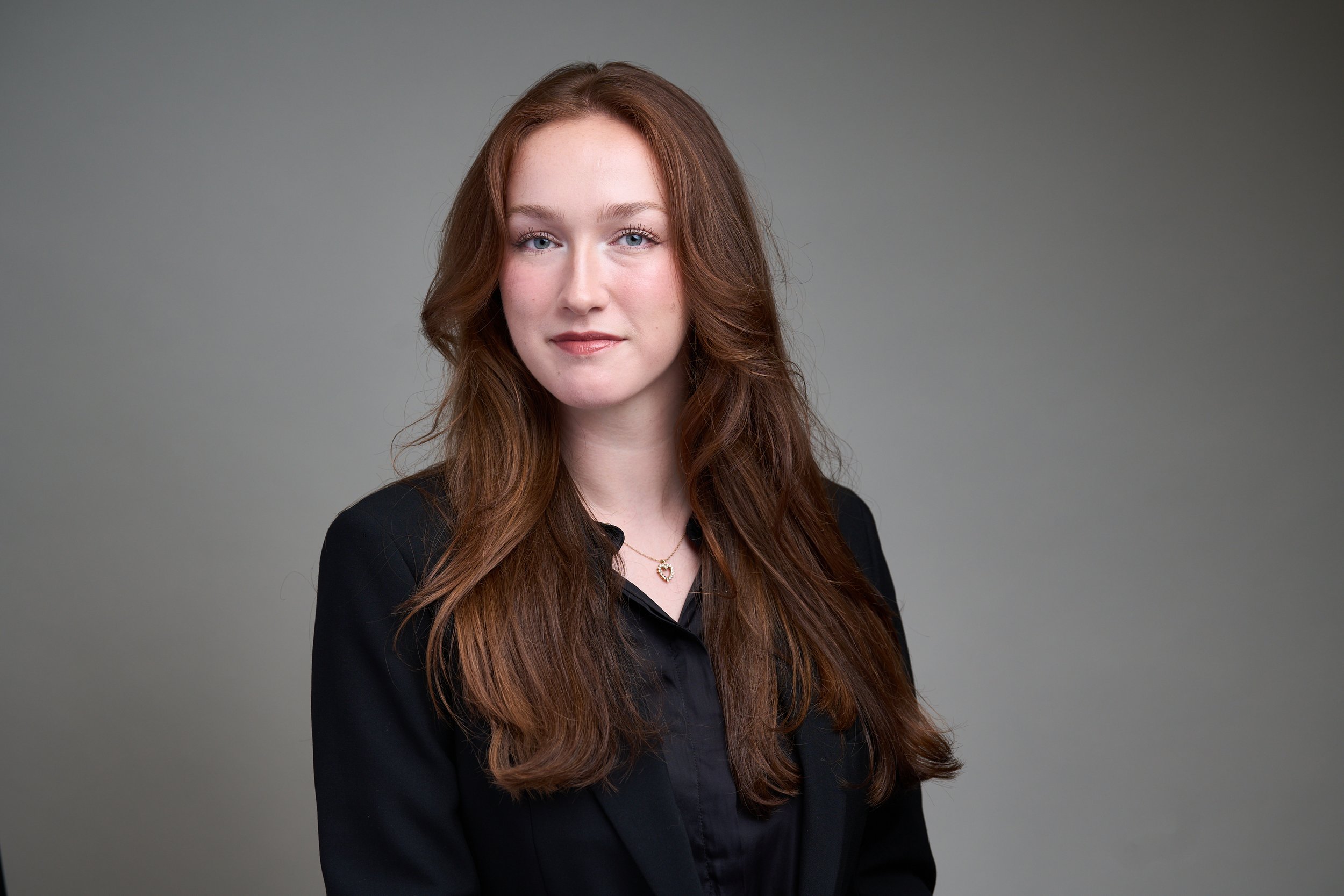
Large-scale employee headshots in New York City are really about structure. A corporate photographer has to plan for team size, office access, scheduling, setup space, file naming, and final delivery before the first person steps in front of the camera.
For the entire office, the key steps are simple: confirm headcount, pick the location, define the look, organize time slots, assign one point of contact, and map the review process. When those pieces are set early, professional headshots feel far easier to manage.
Why Choose a Corporate Photographer Specializing in Large Teams
Not every headshot photographer is built for large teams. Shooting five people is very different from handling 50, 100, or more in New York City. A specialist understands pace, consistency, and how to keep the day moving without making people feel rushed.
You should ask practical questions before hiring: Have they managed a similar team size before? Can they photograph in your office or studio? Do they provide scheduling support, one point of contact, and consistent retouching? Can they also handle related needs like executive portraits or corporate events if your company wants more than standard profiles?
That experience goes a long way. Professional corporate headshots for bigger groups need more than technical skill. They require a repeatable workflow, calm direction, and the ability to produce one clean look across departments, leadership pages, and future new hires.
Differences Between Small Group and 50+ Employee Shoots
A small session for small businesses can stay flexible. A large production cannot. Once team size crosses 50, team headshots need a tighter schedule, more planning, and a clear flow in and out of the conference room or shooting area.
In most cases, larger groups are handled in short blocks. Many experienced teams work in roughly 5 to 10 minutes per person for standard headshots, while senior leadership may need longer. That difference affects the whole day.
Small shoots can be informal and self-managed.
Larger groups need structured scheduling and steady pacing.
A conference room often becomes a temporary studio.
Executive sessions usually require more time than standard staff portraits.
Consistency becomes harder as the number of people increases.
Essential Pre-Planning for Your Employee Photoshoot
Pre-planning is what makes a full day of portraits feel organized instead of stressful. Before shoot day, you should confirm headcount, location, image use, timing, and whether the session covers standard employee headshots only or also includes leadership and group photos.
Just as important, assign one person to guide the entire process. That contact can help with scheduling, internal updates, and questions from team members. Good planning removes confusion and gives everyone a clearer idea of what to expect next.
Setting Clear Objectives and Timelines
Start with the reason for the shoot. Are the team headshots for a company website, LinkedIn profiles, investor materials, internal communications, or all of the above? Clear objectives shape the background, crop, delivery format, and review process.
Then build realistic timelines. For standard sessions, many companies plan short individual slots and reserve extra time for setup, breaks, and late arrivals. Executives often need more time than the rest of the team, so they should not be squeezed into the same pace.
You also want clear expectations for business days after the session. Some programs offer same-day proofs when arranged in advance, while final retouched files may arrive within 48 hours of approved selections. When timelines are defined early, everyone works with less pressure.
Communicating Logistics to Employees and Leadership
Communication can prevent most scheduling issues before they start. Employees need to know where to go, what to wear, how long their slot lasts, and who to contact with questions. Leadership should also know how the day fits into the larger office schedule.
A single point of contact helps the entire office stay aligned. That person can handle internal communications, share reminders, and track updates for absent staff or new employees who may need a later session.
Send schedules early and include exact arrival times.
Share wardrobe guidance before the shoot day.
Tell employees where the setup will be located.
Explain how image review and final delivery will work.
Clear logistics keep people on time and make company-wide photography much easier to run.
Choosing the Right NYC Corporate Photographer for Your Company

Finding the right photographer in New York City means looking beyond a few nice samples. A corporate headshot photographer for a large team should show professional experience with office shoots, bigger groups, fast pacing, and consistent final files.
You also want a team known for clear communication and incredible service. Ask how they manage scheduling, how they keep the look consistent, and how they handle leadership sessions, no-shows, and delivery. Those answers will tell you a lot before you book.
Crucial Questions to Ask Before Booking
Before you commit, ask questions that match the scale of your project. Professional headshots for a big company require strong planning, not guesswork. You want to know whether the photographer can handle your team size, your office space, and your timeline.
It is also smart to ask whether they can work with studio lighting on-site, photograph in multiple areas if needed, and support related coverage such as event photography or leadership portraits. A large company often needs more than one simple backdrop setup.
How many people can you photograph in one day?
Have you handled our team size before?
What studio lighting and backup gear do you bring?
Do you support executive portraits or event photography too?
What is your turnaround time for final images?
These questions help you compare providers on real business needs, not just aesthetics.
Importance of Portfolio Review and Brand Alignment
A portfolio review shows whether a headshot photographer can create the kind of consistency your company needs. Look for more than one strong image. You want to see company headshots across different faces, departments, and sessions that still feel unified.
Branding matters too. If your business wants clean studio portraits, office-based images, or a modern editorial look for executive portraits, the portfolio should reflect that style clearly. The most useful samples show repeatable lighting, framing, and retouching, not random variety.
To keep brand alignment strong, share existing examples, usage goals, and visual preferences before the shoot. When your photographer understands the look you already use on leadership pages, company bios, and directories, the final images fit your brand more naturally.
Key Equipment Needed for On-Site Corporate Shoots
For on-site shoots, the most important thing is a reliable mobile studio. That means professional lighting, clean backgrounds, camera gear, and enough support tools to keep the day consistent from first subject to last.
A large company should expect an organized lighting setup, not a stripped-down kit. Studio lighting and backups help avoid delays and protect image quality throughout busy headshot days.
| Equipment | Why It Matters |
|---|---|
| Professional lighting | Keeps skin tones, exposure, and shadows consistent |
| Backdrop options | Supports brand-matched or classic company headshots |
| Camera gear | Delivers sharp files for web, LinkedIn, and print use |
| Mobile studio tools | Helps the team work efficiently inside an office |
| Backup items | Prevents lost time during technical issues |
Lighting, Backdrops, and Camera Gear for Consistency
Consistency starts with the physical setup. When a team is photographing dozens of people in a conference room, controlled lighting and stable camera settings are what keep the images aligned. Without that, the final gallery can feel uneven.
Backdrops matter just as much. Some companies want classic studio backgrounds, while others prefer brand-matched tones or an office environment. The key is choosing one visual direction and repeating it across all professional headshots so every employee fits the same system.
A strong setup usually includes:
Professional lighting that can be repeated all day
Backdrops that match the company’s preferred style
Camera gear suited for clean, sharp business portraits
Enough space planning to work inside a conference room
That is how you get a consistent look without making everyone look identical.
Backup Solutions for Smooth Operations
Large productions leave little room for gear failure. Backup solutions are essential because one broken light, dead battery, or camera issue can disrupt the full schedule. On a 50-plus employee day, delays can stack up quickly.
A good team plans for that in advance. Extra parts for the lighting setup, secondary camera gear, and a workflow for reviewing files all support smooth operation. This matters even more when the company has a tight calendar or expects same-day proofs.
Backup thinking also affects final delivery. Organized file handling, naming systems, and clear review steps reduce mistakes after the shoot. The common challenge in large corporate sessions is not only photography. It is keeping every stage of the process dependable from setup to finished files.
Preparing Your Office Space for Professional Headshots
Your office layout can help or hurt the day. For professional headshots, most teams use a conference room, lobby, or other private area that can function like a small studio, with enough room for lights, a background, and movement.
The goal is minimal disruption. Pick a space that is easy to find but not in the center of heavy traffic. When the setup stays contained, employees can move in and out quickly while the rest of the office keeps working.
Setting Up an Efficient Studio Environment On-Site
An on-site headshot day works best when the room is treated like a real studio, even if it is just a conference room. The photographer should be able to bring a mobile studio and set it up early so the first employee is not waiting on gear.
Efficient layout is the big win here. You want a clear entry, a shooting zone, and enough space for quick adjustments and review. That structure supports professional headshots while keeping the room from feeling crowded or chaotic.
Helpful setup choices include:
Reserve a private conference room with enough depth for studio lighting
Keep chairs, boxes, and visual clutter out of frame
Leave room for people to enter and exit smoothly
Place mirrors or simple prep tools nearby if available
A clean setup creates a better flow and a better experience.
Optimizing Office Layout for Minimal Workflow Disruption
To protect workflow, think about the headshot station as a temporary production area. It should sit close enough for easy access but far enough from desks and meetings to avoid noise, lines, and interruptions. That balance supports minimal disruption.
It also helps to group sessions by department or floor. That way, employees leave for a short slot and return quickly instead of wandering in at random throughout the day. For team headshots at scale, structure is what keeps the office calm.
Throughout the process, keep signage clear, remind people of their scheduled time, and avoid using a shared space leadership needs for ongoing meetings. A thoughtful office layout does more than improve convenience. It protects the workday while still giving your company a polished image.
Organizing Employees During Large-Scale Photoshoots
Organizing employees well is what makes a large-scale shoot feel easy. Without a scheduling system, people arrive at once, wait too long, or miss their turn. That slows the day and adds stress to what should be a simple process.
For company headshots, group coordination should happen before the session begins. Use scheduled slots, reminders, and one contact person to manage changes. A well-run day keeps the line short and helps each employee stay focused and on time.
Creating an Effective Scheduling System
The best scheduling systems are simple. Each employee gets a clear slot, a location, and a reminder. For larger team sizes, many companies book back-to-back sessions in short windows so the timeline stays predictable.
This is also where you should build room for late arrivals, executives, and no-shows. If every minute is packed too tightly, one delay can throw off the entire process. A little buffer saves a lot of stress.
Useful scheduling steps include:
Book employees in short, consecutive time blocks
Group by department when possible
Add buffer time for leadership or makeup sessions
Send reminders one or two business days before the shoot
A scheduling system does not need to be complicated. It just needs to be clear and consistent.
Coordinating Groups for Company-Wide Consistency
Company-wide consistency is easier when groups are organized with intent. Schedule departments in sequence, keep the same setup all day, and avoid switching backgrounds or styles midstream unless there is a strong business reason. That keeps the visual system stable.
Common challenges usually come from overlap, poor communication, or unclear expectations. When people are invited in random order, the day gets crowded fast. Team headshots work better when everyone knows exactly when and where to show up.
For the entire company, it also helps to define one standard for crop, lighting, and retouching before the first session begins. Then every group, from new hires to leadership, fits the same brand look. That is what turns separate portraits into a unified company-wide set.
Achieving Consistent Looks Across 50+ Employees
A cohesive look is one of the biggest goals in large professional headshots programs. You want individual headshots to feel personal, but they should still belong together when viewed on a company website, leadership page, or internal directory.
That comes from more than lighting. Dress code guidance, basic grooming, and consistent framing all matter. When employees receive simple directions before the shoot, the final gallery looks cleaner, more polished, and easier to use across different business platforms.
Recommended Dress Code and Grooming Guidelines
Most teams benefit from simple wardrobe rules. The goal is not to make everyone dress the same. It is to support a consistent look across executive portraits, company profiles, and each LinkedIn headshot. Clear guidance helps people show up ready.
Based on common corporate guidance, solid or subtle patterns work best, while heavy stripes, loud logos, and distracting accessories can pull attention away from the face. Some firms prefer jackets, especially for leadership and client-facing roles.
Helpful dress code and grooming tips:
Wear solid or subtle patterns instead of busy prints
Choose mid-tone or darker colors for a cleaner result
Make sure glasses are clean, and clothing sits neatly
Keep hair styled and basic grooming polished
Bring a jacket or second option if your team wants variety
Simple guidance goes a long way toward a stronger final gallery.
Also Read - What to Wear for Corporate Headshots?
Making Everyone Feel Comfortable in Front of the Camera
Many people feel awkward in front of the camera, especially during a busy office day. That is why direction matters so much. Calm coaching, quick adjustments, and a relaxed pace help team members look natural without spending too long on set.
A photographer with strong professional experience knows how to keep sessions moving while still making each person feel seen. That balance matters in employee headshots because the image is often the first impression someone gives on a website, directory, or LinkedIn profile.
Comfort also supports efficiency. When people have a positive, low-stress session, the whole day moves better. Reviews from experienced teams often point to the same thing: an incredible experience comes from clear guidance, patience, and a process that helps even camera-shy employees feel at ease.
Conclusion
In conclusion, organizing a large-scale corporate photoshoot with 50 or more employees requires careful planning and execution. By selecting the right photographer who understands the nuances of large teams, preparing your office space effectively, and creating a comfortable environment for everyone involved, you can achieve stunning results that represent your company well. Remember, every detail matters, from scheduling to dress code, in ensuring a seamless photo session.
If you're ready to elevate your corporate image, get in touch with F8 Photography Group today by calling 917.655.2832 to book your appointment. Your team deserves to shine!
How to Plan an On-Site Shoot for 50+ Employees FAQ
How much time should be set aside per person in a large corporate photoshoot?
For standard professional headshots, many large teams use about 5 to 10 minutes per person, depending on team size and the scheduling timeline. Executives usually need longer. Build in a little buffer time as well so the day stays on track and no one feels rushed.
What retouching and editing services are usually offered by NYC corporate photographers?
Typical retouching for professional headshots in New York City includes natural skin cleanup, shine reduction, stray hair cleanup, lint removal, background cleanup, color balance, and crop adjustments. Many teams also receive organized proofs first, then final images after approved selections, often within a fast turnaround window.
How can we avoid common challenges when scheduling company-wide photography?
Use one clear scheduling system, assign a point person, and share instructions early. A corporate photographer can only move quickly if the employee headshots are organized well. Group people by department, include reminders, and leave buffer space in the workflow to keep the entire process steady.
Book Your NYC Corporate Photographer
If your company needs a corporate headshot photographer in New York City, choose a team that can manage logistics as well as lighting and direction. Great service and an incredible experience matter just as much as the photos. For team headshots, planning and consistency make the difference.
Why F8 Photography Group Is a Top Choice for Employee Shoots
F8 Photography Group is a smart choice for employee headshots when your corporate teams need a smooth process and a polished result. If you want incredible service, a great headshot studio option, or an on-site NYC office session, they are worth contacting for your next company shoot.
How to Schedule Your Team Session
Start by confirming your headcount, preferred date, and location for team headshots. Then assign one point of contact to handle scheduling and questions for the entire team. If you are ready to move forward, call 917.655.2832 to ask about the process, timing, and final delivery.
How can companies ensure minimal disruption to workflow during a large on-site photography session?
Choose a private room, schedule employees in short time blocks, and keep the headshot station away from busy desks and meetings. That office layout supports workflow and minimal disruption. When company headshots are organized well, employees step away briefly and return without slowing the day.
What questions should I ask when hiring a corporate photographer for a large team in New York City?
Ask about team size capacity, professional experience, turnaround time, backup gear, and whether they can shoot in your conference room or office. It is also a good idea to ask how they handle scheduling, retouching, and consistency for future hires so your company keeps one visual standard.
How much time should I allocate per employee for a corporate photoshoot with a large team in New York City?
For large-team professional headshots in New York City, plan roughly 5 to 10 minutes per person for standard sessions. Add more time for executives, setup, and selection review. A realistic timeline helps the entire process run smoothly and gives your team headshots a more polished, consistent result.